Московский Центр Карнеги

- Ресурсы Карнеги
Другие разделы
Карнеги в мире
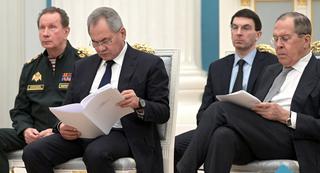
Владимир Путин все больше осваивается в новом для себя амплуа. Он уже давно не гарант стабильности, а теперь еще и не арбитр, и не Первый. Он не народный президент, не выразитель мнения элиты и даже не посредник между элитой и народом. Теперь он единоличный начальник
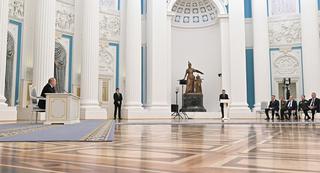
Признание выглядит как выпуск пара из котла, но может оказаться повышением давления
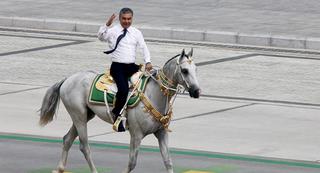
Гурбангулы Бердымухамедов пока не собирается полностью отдать страну в руки своего сына. Молодой и энергичный президент, по всей видимости, возьмет на себя «скучную» часть управления страной. Но приведет ли это к заметным переменам?
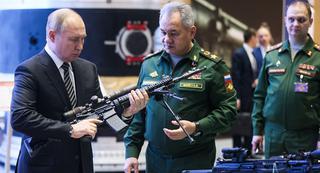
Раз такую позицию разделяют большинство государств, входящих в НАТО, а Россия так озабочена дальнейшим расширением, почему бы альянсу не объявить десятилетний мораторий на вступление новых стран? Вместе с другими уступками, уже предложенными Западом, мораторий мог бы стать удачным решением, которое не навредило бы и Украине. Ведь ее вступление в НАТО в любом случае не стоит на повестке дня
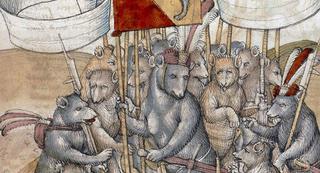
Несмотря на желание сдержать или наказать Россию, Западу гораздо удобнее и выгоднее иметь дело с Россией, которая чуть было не напала на Украину, чем с Россией, которая действительно это сделала, и это одно из искушений, которому подвергаются в России желающие напасть
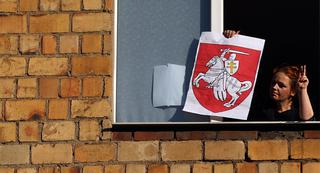
Как и с проектом моста между Востоком и Западом, успех белорусских попыток стать надежным бастионом Востока зависит в большей степени не от самого Лукашенко, а от того, будет ли на эти услуги спрос.
Ликвидация муниципалитетов и низовых элит может привести к тому, что вертикаль власти лишится своих корней, своей опоры. Сто тысяч мелких политических акторов окажутся выключенными из политической жизни, в одночасье превратившись в рядовых граждан. А ведь именно эти люди среди прочего помогают центру обеспечить нужные результаты на выборах
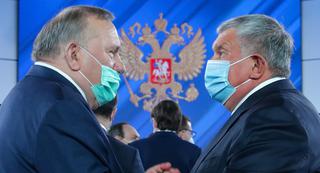
Сегодня внутри российской властной элиты созрел острый, но пока еще латентный конфликт, от исхода которого зависит судьба влиятельной части путинского окружения. Обозначились резкие расхождения по вопросу о том, куда двигаться дальше. Кто возьмет верх — политически мощные и влиятельные в экономике госолигархи или связка силовиков и технократов, зацикленных на безопасности и контроле?
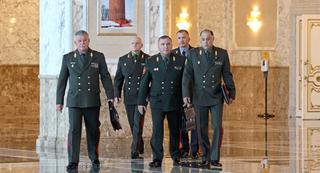
Для сегодняшней белорусской власти неудобны оба крайних сценария в отношениях России и Запада – война и перемирие. В первом случае пришлось бы идти на рискованные и, вероятно, саморазрушительные уступки Кремлю, а во-втором становится сложно заинтересовать его своей показной антизападностью
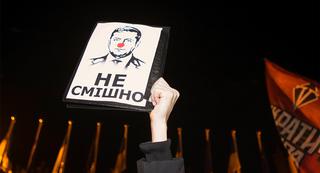
За резким тоном сложно не заметить растерянность Зеленского, которая подтачивает его популярность. Он по-прежнему удерживает первую строчку в рейтингах, но разрыв с конкурентами неумолимо сокращается. Мало того, своими попытками сдержать панику Зеленский только раздувает ее еще сильнее – как и все в бывшем СССР, украинцы привыкли толковать заверения власти противоположным образом
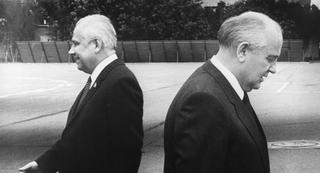
Сейчас кажется, что Советский Союз распался стремительно - давно прогнил сверху донизу, поэтому, когда чуть тронули, все тут же рассыпалось. Но когда читаешь подробный разбор 1990-1991 годов, понимаешь, что между падением Берлинской стены и Беловежскими соглашениями прошло огромное количество времени, за которое не было сделано ничего, чтобы хоть как-то исправить ситуацию
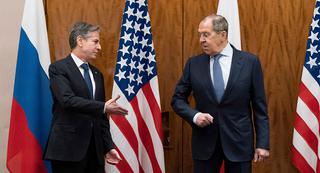
Подкаст Московского центра Карнеги: Александр Баунов, Кадри Лиик и Дмитрий Тренин обсуждают обострение конфронтации России и Запада
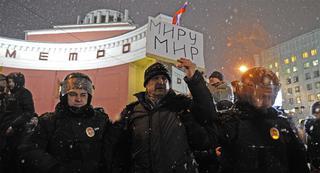
Раздражающим для власти станет любое несанкционированное влияние на значимое число россиян – через посты, песни, статьи или интервью. В меньших масштабах это происходит уже сегодня, но в случае дальнейшей эскалации процесс станет массовым, рутинным и беспорядочным
Россия ведет переговоры не как страна, которая собралась вести войну, а как страна, которая, в случае чего, может себе ее позволить
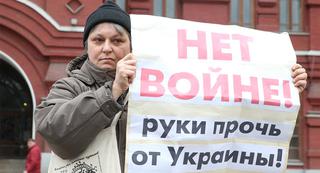
Все эти факторы, вместе взятые, разрушат еще сохранявшийся образ путинской модели государства как успешной и стабильной. То, что должно было бы мобилизовывать перед выборами президента 2024 года – война, – окажется демобилизующим фактором. На войне уже невозможно будет заработать рейтинги. «Натовский консенсус» едва ли придет на смену «крымскому консенсусу»
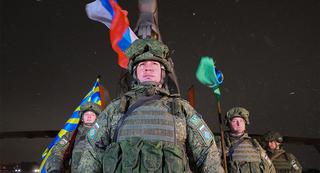
Гипотетическое вытеснение Запада из Казахстана совершенно не обязательно приведет к тому, что образовавшийся вакуум заполнит Россия. Скорее всего, Москва таким образом поможет Китаю стать еще более влиятельной силой в Центральной Азии
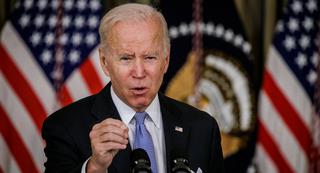
Команде Байдена стоит с осторожностью отнестись к призывам вести тотальную кампанию по противодействию любому российскому влиянию в мире. Стратегия должна делать обратное и разъяснять, что США не намерены проводить такую кампанию, а вместо этого сосредоточат внимание на областях, где действия России напрямую угрожают жизненно важным интересам США
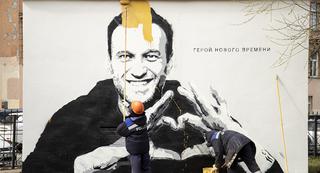
Арест главного оппозиционера и жесткое подавление оппозиции год назад беспрецедентным образом напугали россиян, но их адаптивная покорность неустойчива
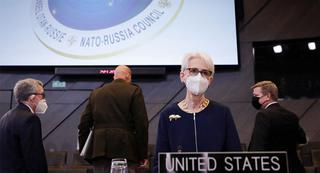
Если главная угроза, с точки зрения Москвы, – это приближение военной инфраструктуры НАТО к западным российским границам, то было бы логично сосредоточиться именно на этой инфраструктуре, а не на теоретической возможности расширения НАТО как таковой
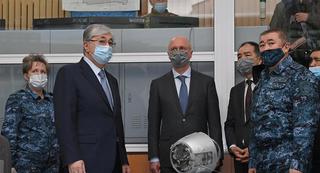
Впереди Токаева вряд ли ждут спокойные годы правления. Спешно вычеркнув из политики Назарбаева, Токаев разрушает предыдущий правящий режим и начинает строить свой. Это непростая задача, так как новый президент пока не успел ни заработать авторитет, ни окружить себя лояльными элитами. А главное, у него нет уверенности в верности ему силовых структур