Carnegie Moscow Center


2012 is an election year for both Russia and the United States. Presidential elections have already taken place in Russia, and they will be held in the United States in November. It remains to be seen how these political changes might affect Russian-American relations.
Although a diplomatic resolution to the Iranian nuclear crisis is looking increasingly unlikely, the alternatives of sanctions or military force each have their own set of problems and implications for Chinese and U.S. relations with Iran.
Diversifying into China's rapidly expanding market is a boon for Latin American exporting countries, but fears of Chinese dumping and cheap imports have strained what could be a positive and mutually beneficial relationship.

The Lebanese financial sector plays a vital role in the country’s economy and has encountered many changes and challenges in the past decade.
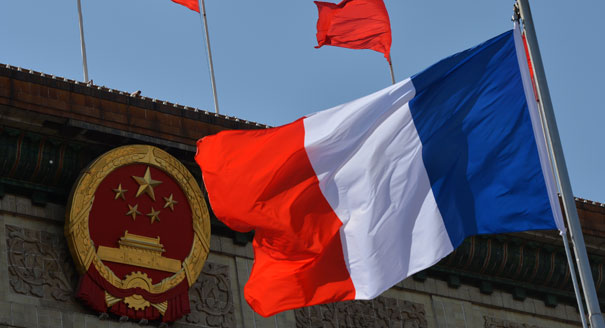
With François Hollande's recent election as president of France, the ideological change in leadership comes at a critical time for both France and the EU, and will undoubtedly have a profound impact on the EU and its relations with China.

To respond to the demands for social justice reverberating across the Arab world, Arab countries should adopt a “developmental state” model based on a new social contract of mutual accountability and shed the rentier-based political economy model.
Myanmar’s political and economic reforms under President Thein Sein have raised hopes and expectations at home and abroad. But Myanmar’s challenges remain formidable.
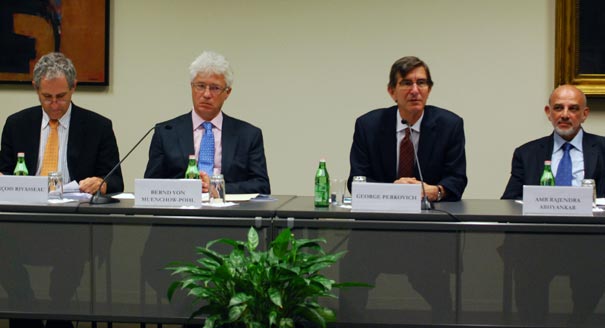
Both India and the European Union can be seen as emerging powers with shared features, interests, and challenges. Their “strategic partnership” holds significant potential, yet continues to underperform.
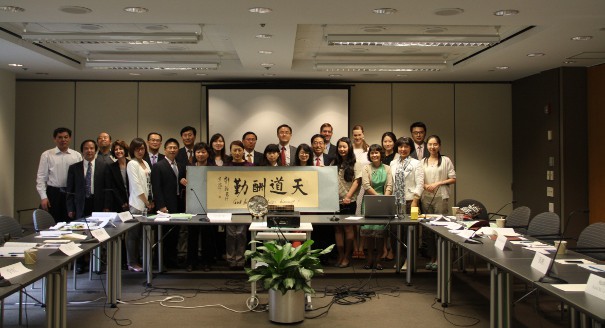
Since its introduction in China's 12th Five Year Plan, the concept of green development has become an important issue for policy discussions.
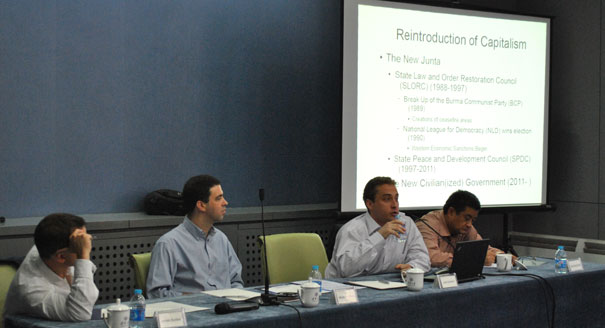
Myanmar’s colonial past still strongly informs the current political debate in that country and the population’s perceptions of foreign presence.