Carnegie Moscow Center


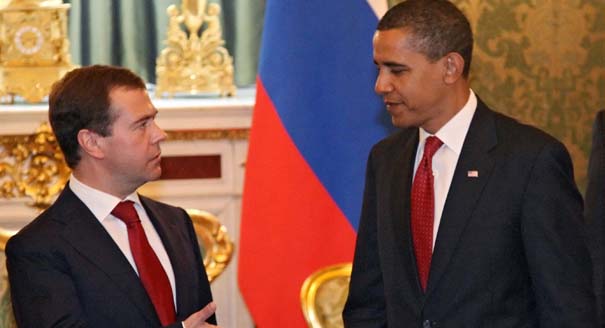
The economic crisis may have exacerbated many of the vulnerabilities in Russia's economy, but it stopped the deterioration of U.S.-Russian relations, which were the lowest they had been in twenty-five years.
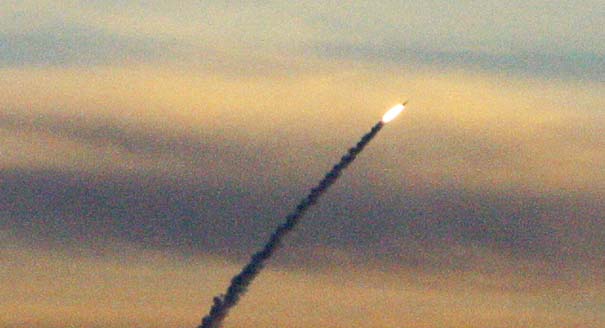
The United States should pursue a joint missile defense system to improve long-term relations with Russia.
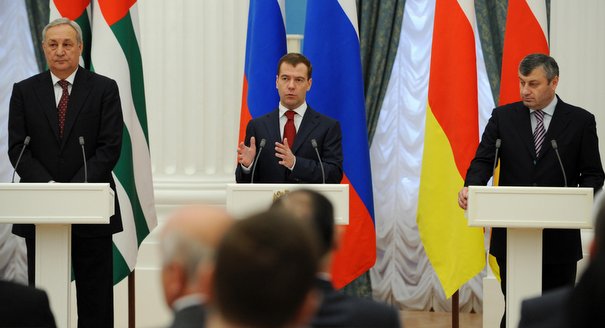
Europe’s Eastern Partnership is the clearest indication so far of its capability and willingness to project soft power into what Moscow regards as its sphere of influence.
Europe's security requires Russia's integration into a common compact with the countries of NATO and the European Union, as well as with newer states like Ukraine, Georgia and others. And a stable security arrangement needs to be flanked by an economic one encompassing the entire continent.
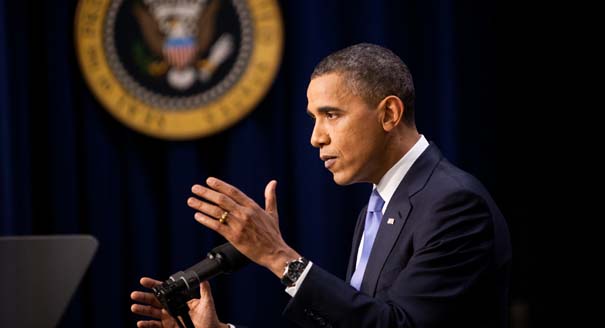
As top policy experts assess President Obama’s performance during his first hundred days in office, the results are somewhat mixed but generally positive.
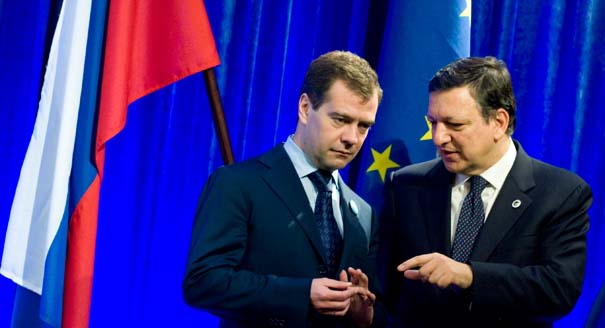
The dichotomous nature of Russia’s relationship with the West requires that the United States develop a long-term vision and strategy for its own relations with Russia.
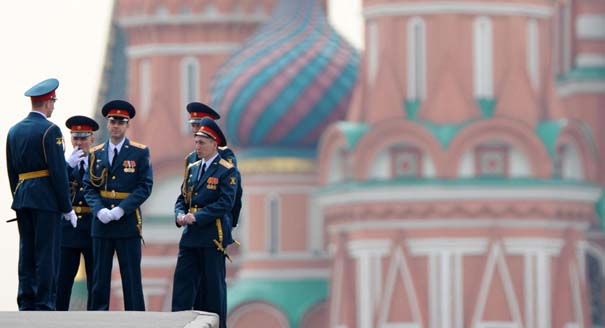
Russia's focus on America as its main adversary distorts Moscow’s strategic worldview, leads to misallocation of resources and ultimate frustration over the essential disequilibrium between the two former Cold War rivals.
U.S. President Barack Obama should pledge to keep U.S.-Russia relations at the top of his busy agenda. Ending American neglect of its relations with Russia is what is needed to mend the countries’ bleak relations. A constructive foreign policy toward Russia can begin with negotiating and renewing the 1991 START treaty as well as creating a meaningful Euro-Atlantic alliance that includes Russia.
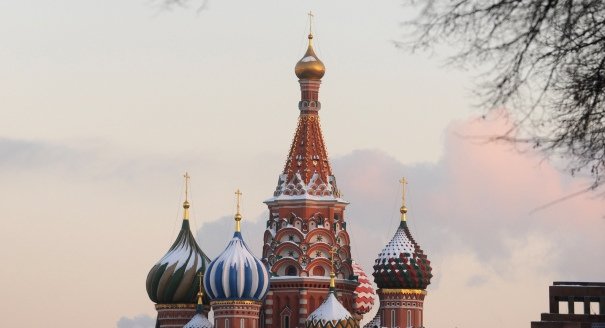
Russia must aim for modernization and use its foreign policy to achieve rapprochement with Europe, North America and the economically and politically developed world at large.
Successive U.S. administrations have forfeited the chance to integrate Russia into the West first afforded by the collapse of Communism and again by 9/11. The United States has either neglected Russia or openly disregarded its overtures and warnings on a range of regional concerns. President-elect Obama needs a comprehensive approach to Russia based on a shared vision of European security.