Carnegie Moscow Center


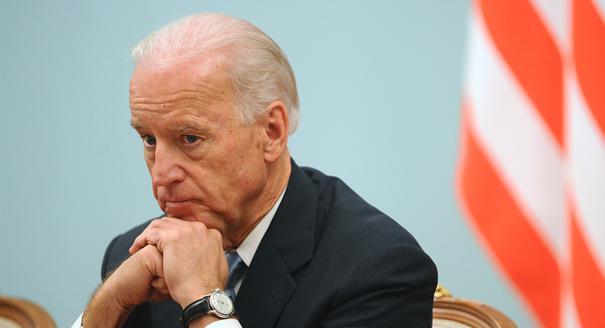
This is not a call for a reset or a new partnership, but rather for a responsible, less hostile relationship between rivals bitterly divided by visions of world order, geopolitical interests, and values.
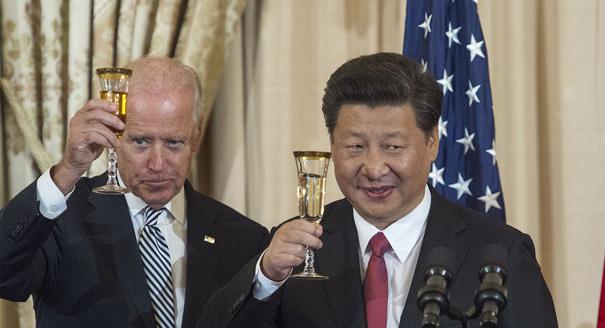
President Biden will challenge the Kremlin both domestically and geopolitically. To thwart that dual challenge, Russia needs to deal with its numerous vulnerabilities effectively before its adversary is able to exploit them.
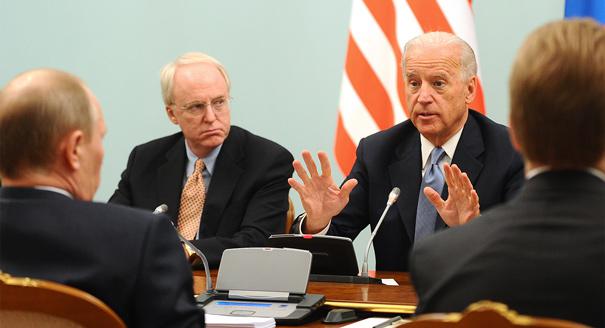
Biden calls Russia the biggest threat to the United States, and sees Moscow’s policies as aimed at weakening Western countries internally; undermining the unity of such institutions as NATO and the European Union; and subverting the liberal world order.
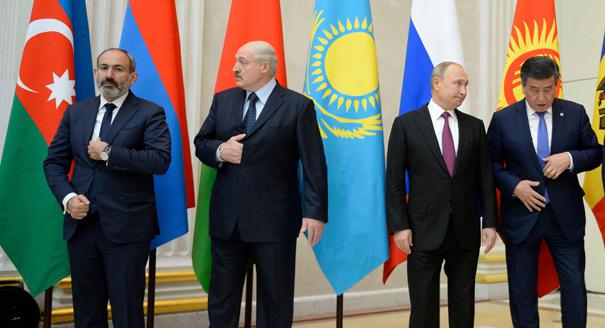
Simultaneous crises in Belarus, Nagorno-Karabakh, and Kyrgyzstan have demonstrated Russia’s maturing approach to its neighborhood. Russia is learning to mind its limitations; to repel residual nostalgia; and to think straight, putting issues before personalities, and staying focused on its own interests, leaving the empire farther and farther behind.
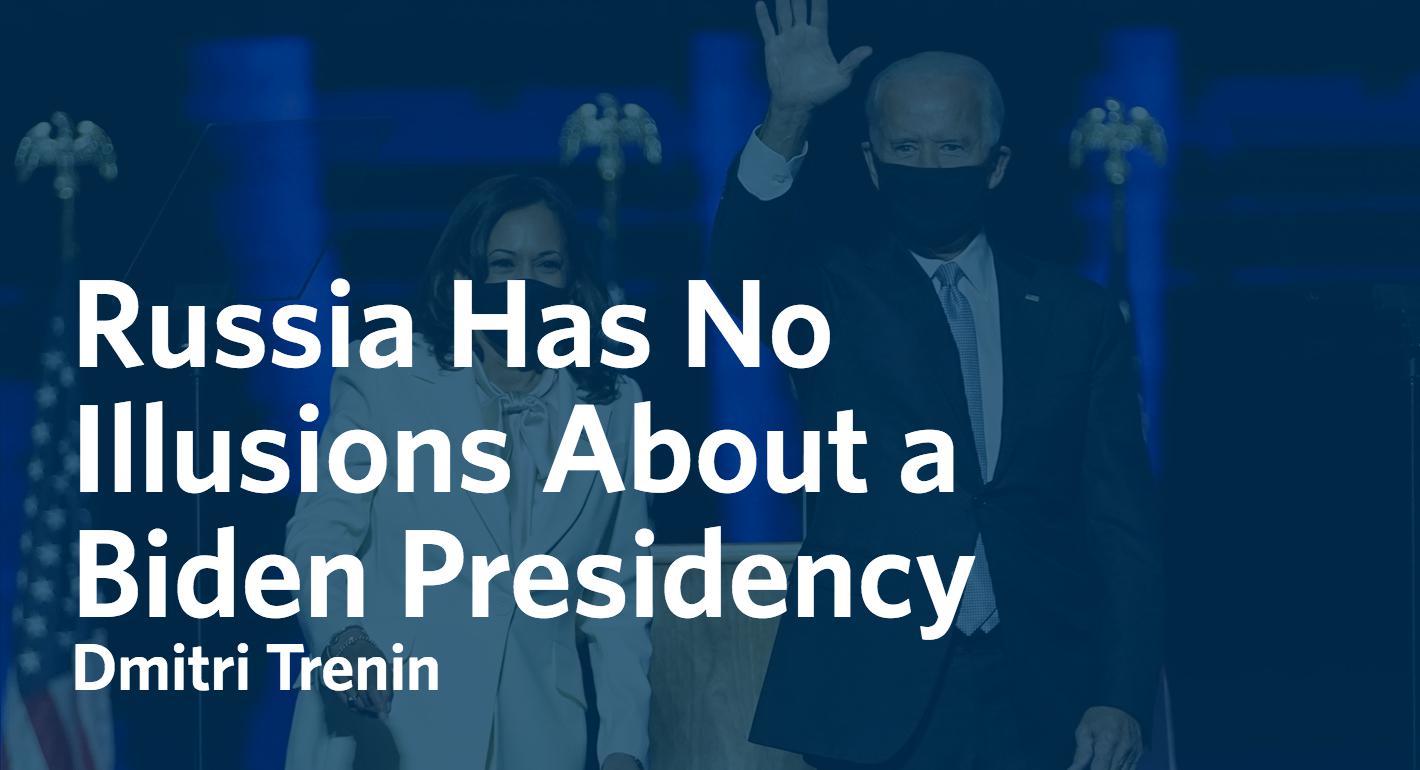
There are no signs that post-election relations between Russia and the United States will become warmer. The Kremlin is braced for four years of what it expects to be uncertain rule under President-elect Joe Biden.
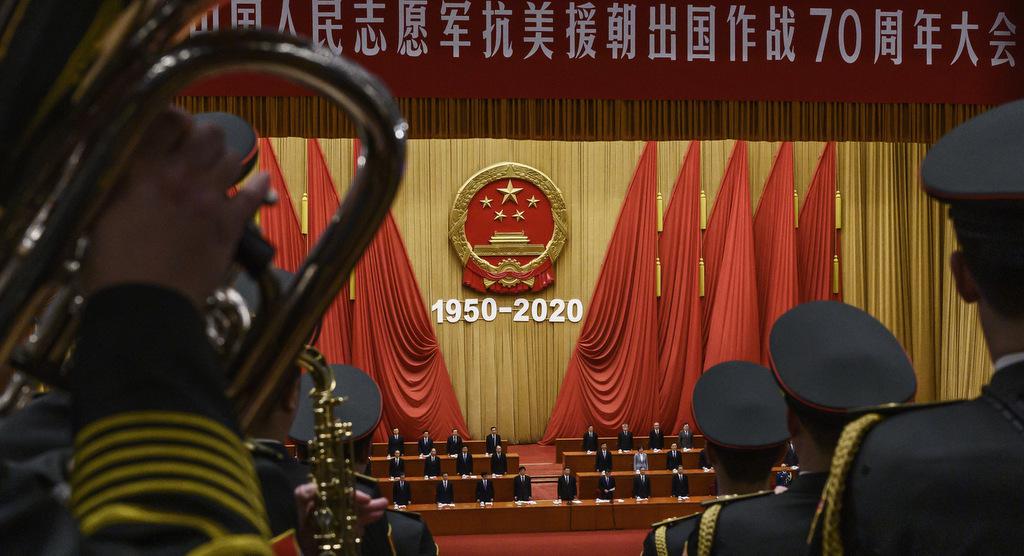
This year marks the 70th anniversary of the outbreak of the Korean War. It was initially a civil war that gradually evolved into an international conflict, during which the Soviet Union and China supported North Korea.

Bilateral nuclear arms control is being succeeded in a polycentric nuclear world by deregulation. Rather than mourn arms control, we should focus on complimenting deterrence—which has been and will remain the bedrock of strategic stability—with reliable communication, contacts, transparency, and restraint among relevant parties.
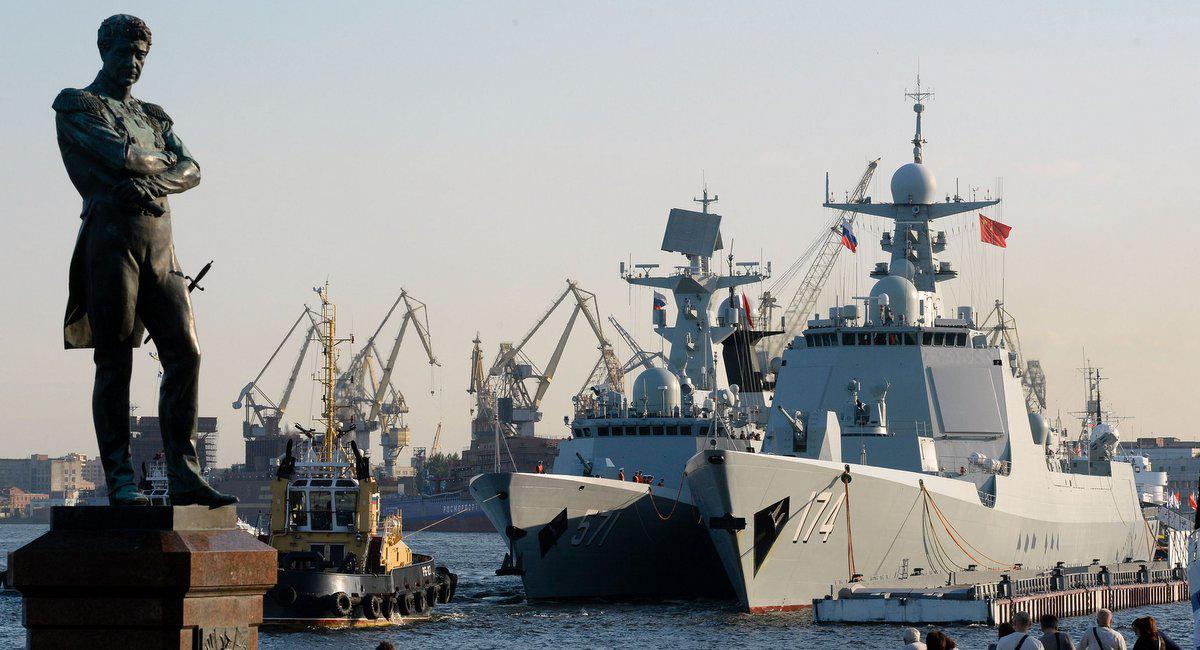
What is the current state of Russia’s relations with China and the Indo-Pacific? And what are the prospects for Russia as an Indo-Pacific power? For a perspective on these matters, Jongsoo Lee interviews Dmitri Trenin, director of the Carnegie Moscow Center and chair of the Center’s Foreign and Security Policy Program.
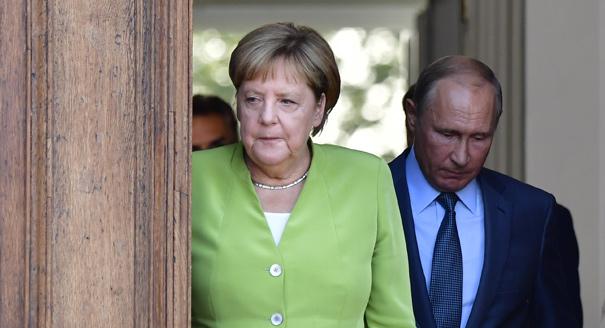
Berlin is ending the era launched by Gorbachev of a trusting and friendly relationship with Moscow. Russia, for its part, no longer expects anything from Germany, and therefore does not feel obliged to take into account its opinion or interests.
Russia has been newly assertive on the world stage, but confronting its many challenges at home and abroad may require a new foreign policy equilibrium.