Carnegie Moscow Center


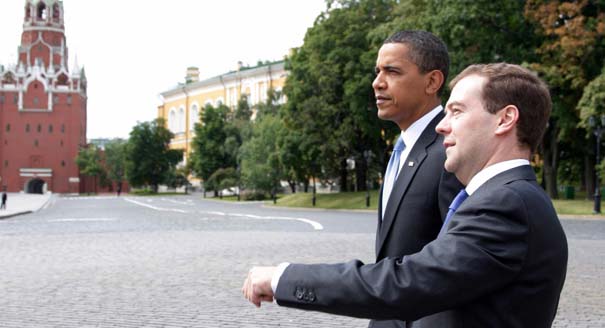
The Kremlin’s new foreign policy agenda reflects Russia’s increasing need to channel resources towards modernization, a project which requires improved relations with the West.
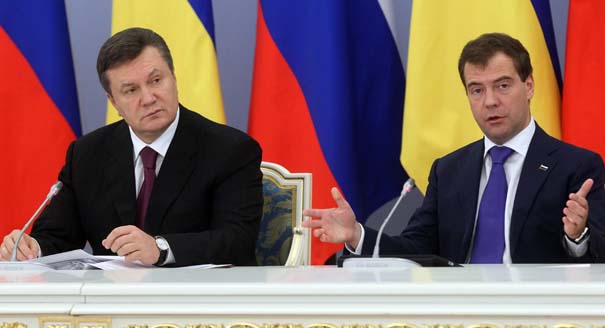
In his first 100 days in office, Ukrainian President Yanukovych has set a positive new tone in his country's relations with Russia and reaffirmed Ukraine’s strategic orientation towards Europe.
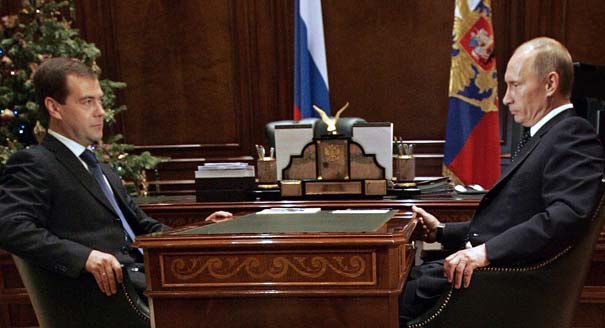
The Kremlin’s new strategy of “conservative modernization,” which emphasizes economic diversification and strengthening of the rule of law, cannot initiate any significant change, since the obstacles to modernization are endemic to the system itself.
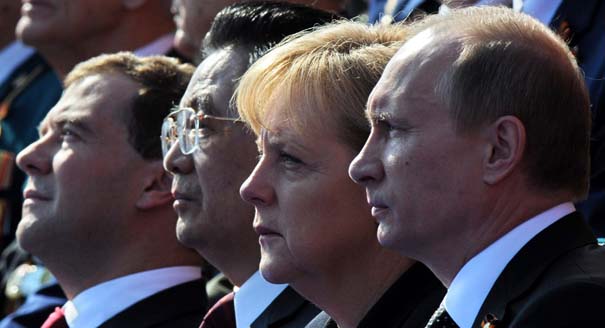
Russia’s foreign policy should stop covering up the country’s diminishing status with aggressive rhetoric against the West and, instead, focus on attracting external resources for modernization.
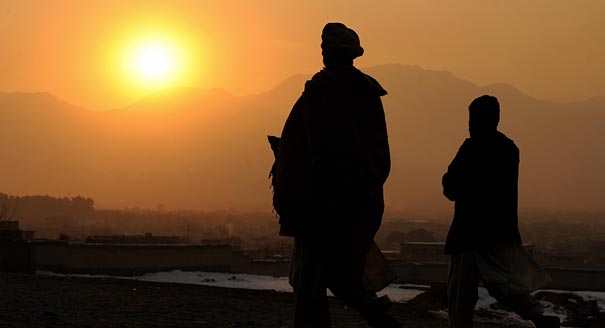
President Obama has placed a greater emphasis on the need for a regional approach to Afghanistan. Leading experts analyze what a regional strategy would mean in practice through the eyes of key states, including Russia, Iran, Pakistan, and India, and what it could mean for U.S. policy.
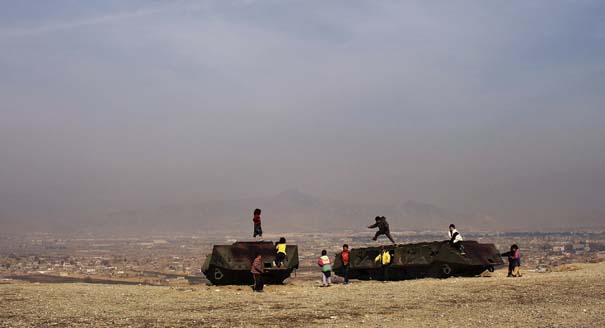
Despite its importance, Russia’s perspective on the war in Afghanistan has typically been missing from previous analyses of coalition policy. Moscow views Afghanistan largely through the prism of security threats to itself and its Central Asian neighborhood.
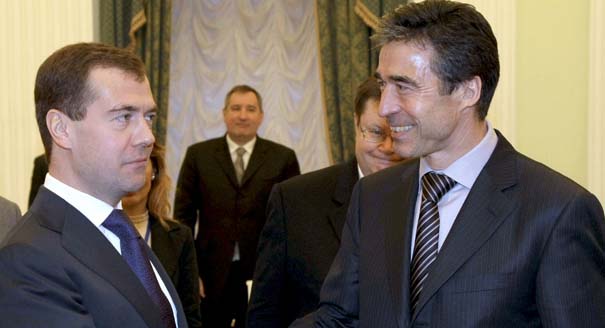
Neither the expansion of NATO—even if Russia is added—nor the European security pact proposed by Medvedev alone are capable of uniting Europe. What is needed is the creation of a common security zone encompassing all of these states in which war and the use of armed forces would be abolished.

Anatoly Dobrynin held the key post of Soviet ambassador to Washington for a record twenty-four years. He can take a lot of credit for the fact that the Cold War remained “cold.”

In spite of the recent suicide bombings in the Moscow metro, the government is unlikely to institute any major changes that will significantly enhance Russia’s security, and the next few years may actually see an intensification of terrorist activity in Russia.

Given the reset in U.S.–Russian relations, the time is ripe for the United States, Europe, and Russia to devise a security architecture for a new century—one capable of maintaining peace and stability on the European continent throughout the years to come.