Carnegie Moscow Center


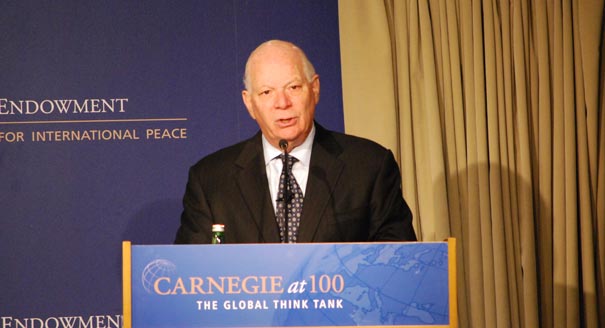
Following Senator Ben Cardin's remarks on the role of human rights issues in U.S.-Russia relations, a panel of experts discussed the likely future course of the bilateral relationship.

Relations between the West and Russia are still shifting as the West has yet to adjust to the post-Soviet reality and Russia has not settled on its relationship with the rest of the world.
The twentieth anniversary of Ukraine’s independence from the Soviet Union comes at a moment of unique challenge and opportunity for the country, as Ukrainians look to their new leaders to resolve longstanding problems.

The fall of the Berlin Wall in 1989 ushered in a time of momentous social and political change, including in Russia, but Russia’s development followed a different path than that of many Eastern European countries.

The regime of personalized power that Russians have grown accustomed to is at risk of collapse. The People’s Freedom Party “For Russia Without Arbitrariness and Corruption” aims to play a role in helping change Russian politics through legitimate means.

Russia is both a resurgent power on the international stage and a key partner for Europe. However, the country still faces a myriad of social and economic challenges.
Russia’s current push for economic modernization coincides with growing political activism and concerns, both among domestic groups and in the West, about the absence of political liberalization.
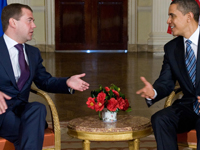
Ahead of the July 6-8 U.S.-Russia summit, Carnegie experts in Moscow discussed expectations for the visit, prospects for START negotiations, and areas for potential cooperation, including Iran, Afghanistan, and energy security.
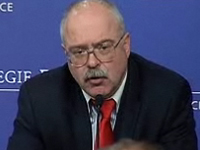
The international financial crisis may help sustain Russia's political and economic system in the short-term or it may usher in rapid change. Regardless, it is unsustainable in the long run.

Lilia Shevtsova on current state of Russian domestic politics and launches revised edition of Putin's Russia.