Carnegie Moscow Center

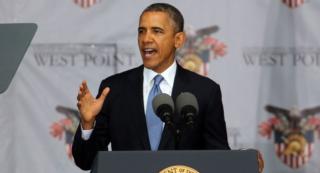
Barack Obama’s recent remarks at West Point show that he doesn’t understand the rules of the game he’s playing with Vladimir Putin in Ukraine.

Russia’s recent showing at the Shangri-La Dialogue creates a sense of profound misreading of the audience. To craft its Asian strategy, Moscow needs to understand the complex processes now under way in the region and to foster an extensive network of official and unofficial contacts to all significant players.
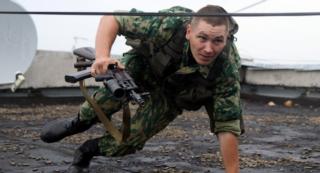
Russia’s policy toward Ukraine has nothing to do with Russian expansionism or imperial nostalgia and little with the need to win domestic political support for Putin. The Kremlin’s main strategic goal in Ukraine is to keep this country out of NATO.
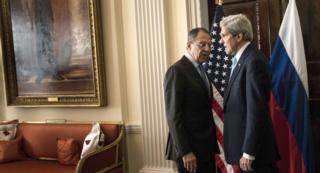
The first three months of U.S.-led sanctions did not cause yet deep-seated problems for Russian economy. Regardless, the stakes for Russia are very high. Like the proverbial ancient warrior, it is standing at a crossroads now.
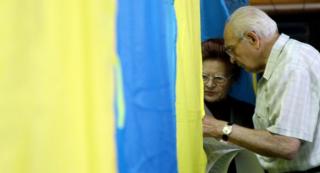
Federalism for Ukraine constitutes a formidable challenge. But the risks involved remain acceptable—when faced with the threat of all-out civil war, a federation can still be judged a necessary compromise.
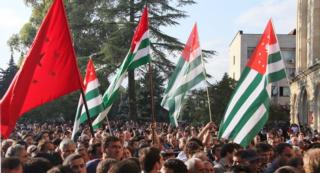
Abkhazia is in crisis, but it is not a spillover from events in Ukraine. This is overwhelmingly a local crisis. For the past 20 years Abkhazia has lived in a world of its own.
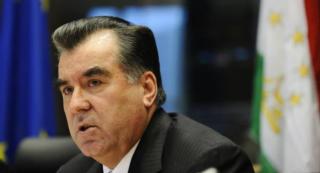
Tajikistan’s President Emomali Rahmon faces a number of complex tasks, which make maintaining a high degree of stability increasingly difficult.
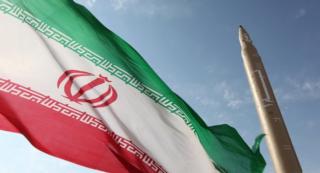
A number of complex questions remain unresolved as negotiations on Iran’s nuclear program enter their final stage. The main question is whether the cooperation between Russia and the West would continue at the previous levels in the midst of the crisis in Ukraine.
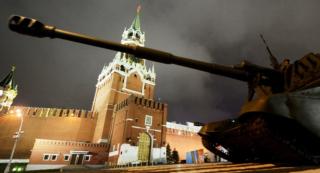
The Ukraine crisis has opened up a period of intense geopolitical competition, rivalry, and even confrontation between Russia and the West. The area of competition is again Eastern Europe; only this time, further to the east of its Cold War namesake.
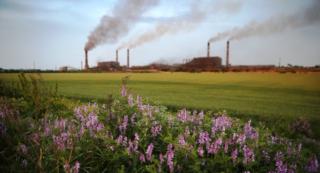
Ukraine looks set to sign a free trade deal with the European Union. However, the EU and Russia have fundamentally different ideas about what its impact will be. Now it is time for an independent study in order to fill out the political argument with some real economic data.
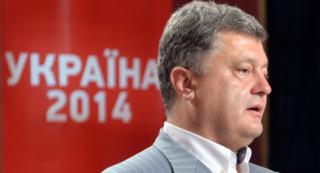
The “chocolate king” turned president is in no sweet position. More sweat is expected from Ukrainians as Poroshenko and the other key players must make hard choices.
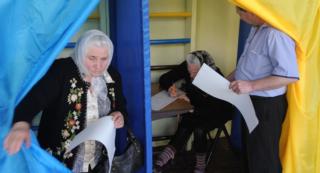
The May 25 presidential vote has marked the end of the first phase of the Ukraine crisis, which will continue to reshape the global strategic landscape. For Russia important result of the crisis is pivot to Asia.
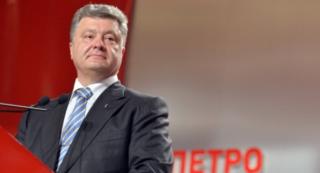
The elections in Ukraine demonstrate that Ukrainians have decisively chosen to turn toward Europe.
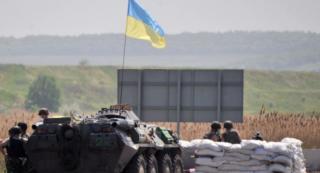
Even as relations sour between Russia and Ukraine, Russian-Ukrainian defense-industrial cooperation remains very important for both countries. They both stand to lose if it wanes.
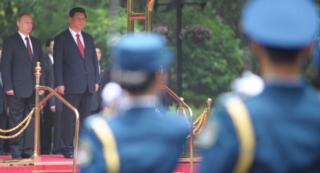
The Sino-Russian gas deal emphasizes and accelerates the fading of Russia’s until-now special relationship with the EU. The partnership between Russia and China is acquiring truly strategic depth.
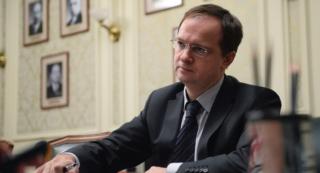
Russian Culture Minister Vladimir Medinsky’s primary motive is to curry favor with Vladimir Putin. As Putin has shifted gears to a more conservative, anti-Western, and isolationist outlook, scores of his aggressive loyalists have followed the new trend.
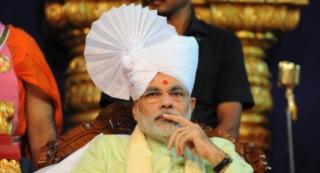
The BJP’s election victory has changed India’s political landscape. Russia has close ties with the BJP, but serious steps are needed to elevate Russian-Indian relations to a new level.
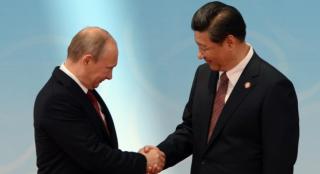
The secretive nature of the gas agreement between Gazprom and China National Petroleum Corp may show that the contract contains something the Russian negotiators could not be proud of in the limelight of Russian public opinion.
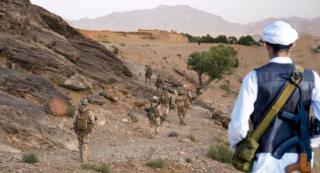
Russia should not treat the post-2014 situation in Afghanistan as a potential disaster for its security in the south. Nevertheless, the coalition withdrawal from Afghanistan will force Russia to take more responsibility for regional security.
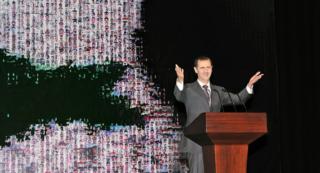
The June 3 Syrian vote is unlikely to radically change or improve the situation in the country. Rather, Bashar al-Assad’s re-election may only worsen it.