Carnegie Moscow Center

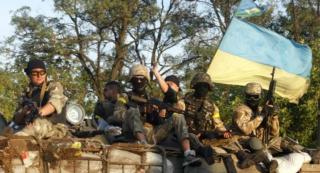
The world is getting used to the Ukrainian conflict and the confrontation between Russia and the West. If Moscow and the Western countries start to consider this state of affairs the new norm, the consequences may be quite unappealing.
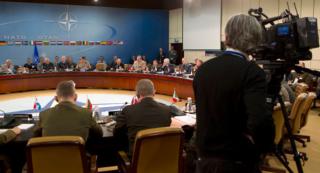
Two decades after the debate about NATO enlargement pitted “NATO-firsters” against “Russia-firsters,” both sides have had reasons to say, “I told you so.” And they did.
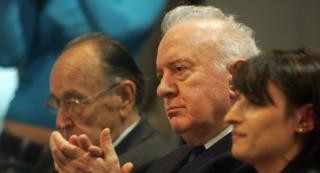
As Petro Poroshenko embarks on a long steep journey as leader of Ukraine, he would do well to study Eduard Shevardnadze's statecraft in Georgia, with both his great successes and the later disappointments.
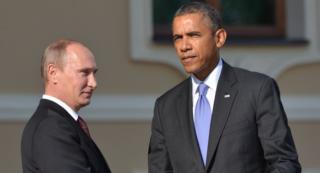
Fundamental disagreements over Ukraine must not jeopardize U.S.-Russian cooperation on important issues of mutual interest, such as counterterrorism and nonproliferation.
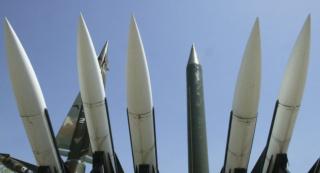
The tensions between Russia and the West heightened over the issues of compliance with the INF treaty. In this case, it would not be prudent for Russia to seriously compromise its long-term security yet again while pursuing tactical goals or relying on superficial arguments.
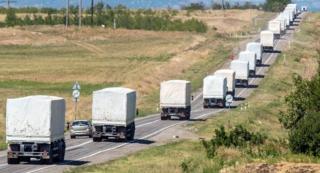
While Kiev is desperate to achieve a full military victory almost at any cost, Moscow is reaching out with humanitarian aid, confusing and confounding its opponents. As to the war there, it still continues.
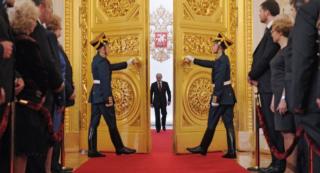
Kyiv and Moscow are on a collision course. They may already be past the point of no return where a negotiated solution might have kept the crisis from escalating.

It has been six years since the end of the Russia-Georgia war, but its effects still pervade political debates between the Georgian Dream coalition and the once powerful Mikheil Saakashvili’s United National Movement (UNM).
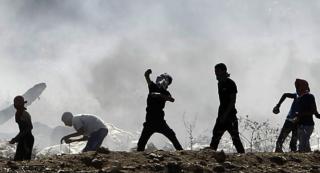
The world can be an awfully dangerous and unpredictable place.
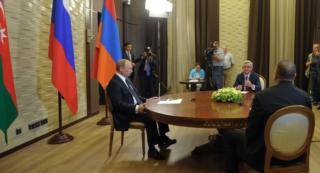
The Sochi meeting between Russia’s, Armenia’s, and Azerbaijan’s presidents is but one episode in the series of Russia’s protracted peacemaking efforts. Rather, the Armenia-Azerbaijan conflict serves as a great pretext for Russia’s presence in the South Caucasus.
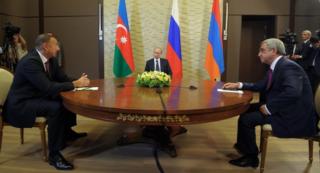
Putin enjoyed his moment in the media limelight as a peace-maker over Karabakh. But the lack of substance from the summit suggests that Russia is as out of ideas as anyone else on the Karabakh conflict.
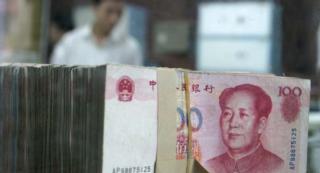
As new rounds of Western sanctions seem more likely, some large Russian companies are moving their cash reserves away from Western banks and currencies. In the long run dependence on China’s money and its financial institutions may be a new reality for Russian leaders for decades.
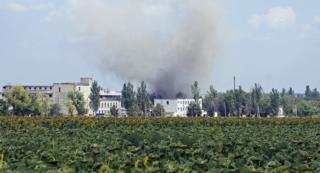
While European mainstream media’s focus has been on the developments in Gaza and in northern Iraq, they have been giving only scant attention recently to the humanitarian situation in eastern Ukraine.
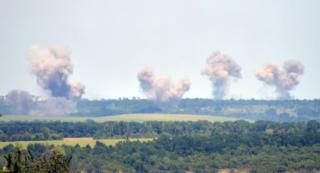
Prudence dictates that Russia should not invade Ukraine. However, if Putin decides differently, the Ukraine crisis will immediately become a Russia crisis, and then a European one.
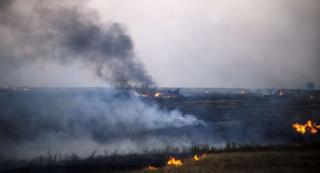
Ukraine’s political heat wave will last well into the coming fall and winter—unless Ukraine, the West, and Russia change their current course.
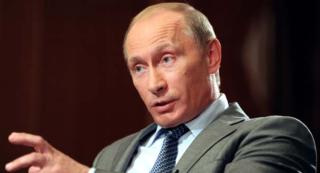
Even now, six months into the Ukrainian crisis, Western leaders don’t know how far Vladimir Putin will go in Ukraine. The United States should immediately re-establish real channels of communication with Putin and his inner circle.
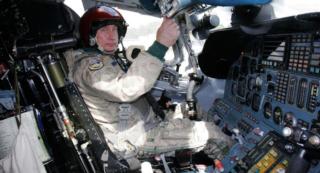
Some are calling for the Obama administration to retaliate by backing out of this or other arms-control treaties. There are better options.
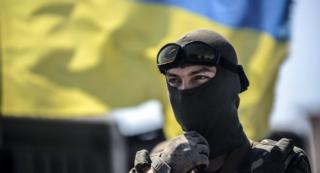
The United States seems intent to force Russia into capitulation over Ukraine, a situation caused by a poor understanding of economics on the part of Putin’s advisers. While low intensity battle will likely linger on, Russia remains in a more maneuverable position to offer a deal to the United States.
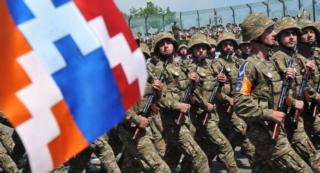
The ceasefire in Nagorny Karabakh has been violated multiple times over the last few days. Without a more substantial peace process that both Armenia and Azerbaijan can buy into, the violence is all too likely to re-occur.
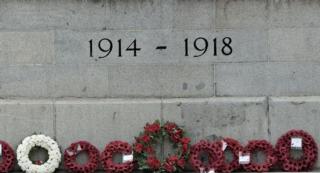
Going to war in 1914 was suicidal for the Russian state. Today, a Russian military invasion of Ukraine might well lead to a catastrophe with dire consequences for Russia itself, or to an all-out conflict between Russia and NATO.