Carnegie Moscow Center

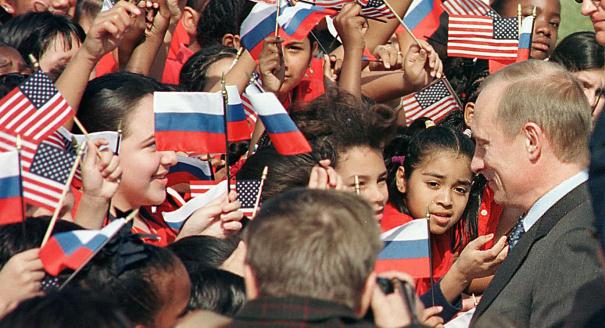
Whoever wins the U.S. presidency, Washington’s Russia policy needs a reassessment and a rethink. The choice for the new administration lies between keeping Russia on the periphery of the U.S. foreign policy and treating Russia as an asset in America’s global strategy.
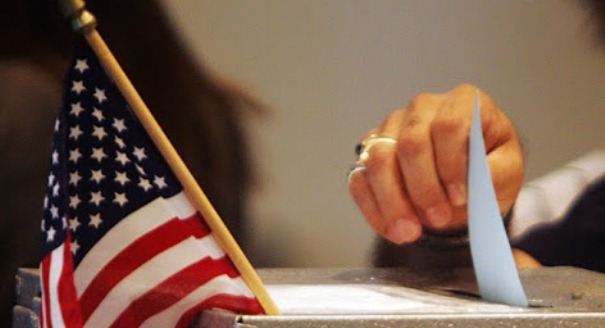
For Russians, Obama seems to be a better choice for the next U.S. president, but in general, the Kremlin and the Russian public are watching the U.S. election rather calmly. It is a sign that the countries are no longer enemies but are not great friends.

The United States needs to begin paying more attention to Russia as part of its Asia-Pacific strategy if it wants a more stable balance to emerge in this critical region.

Since 2011, the driving forces in the Middle East have been the Arab people, the Gulf monarchies, Iran, and Turkey, not the United States. As global power realities shift, so must U.S. foreign policy.
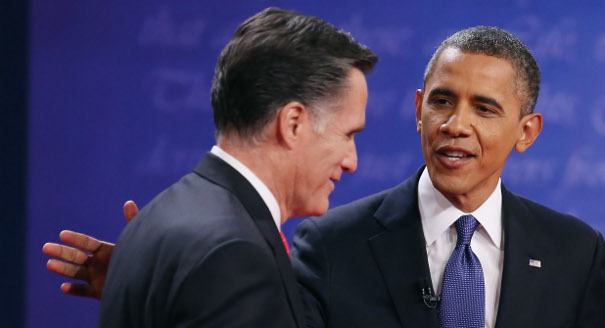
Moscow would probably prefer Obama to win in the U.S. presidential elections, but a Romney win would not be seen as a disaster. Romney's Cold War-style rhetoric fits into Putin’s worldview and helps him to mobilize his supporters.
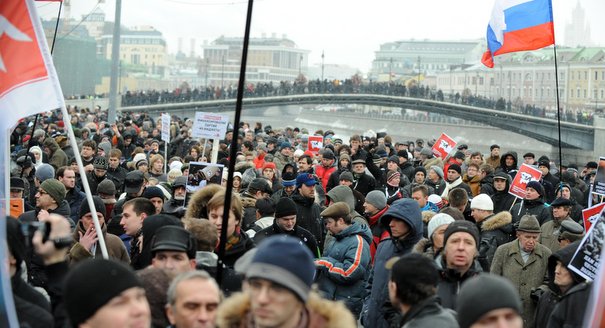
This year’s Transatlantic Trends survey prepared by the German Marshall Fund of the United States included Russia, for the first time.
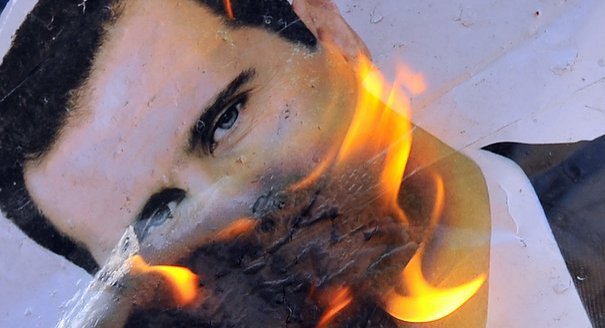
Moscow is neither pro-Assad nor anti-West, but its position on the issues of the primacy of the UN Security Council and the importance of sovereignty will not change.
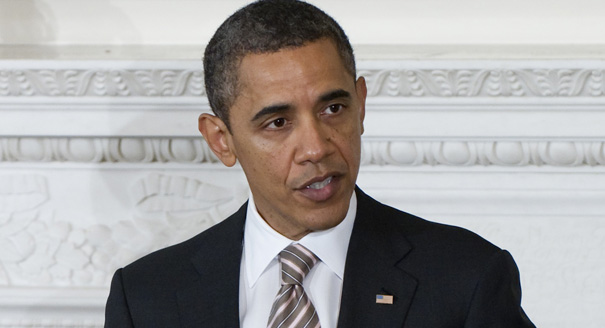
Historically the U.S. Democrats have been perceived as weak in foreign policy and national security, but President Barack Obama has a strong record in these spheres.
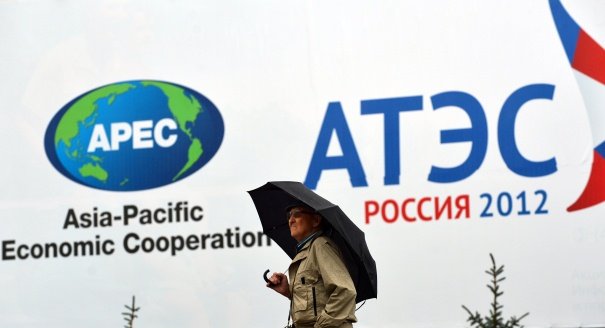
Modern Russia has exploited its Asia-Pacific advantages rather poorly, if at all. The country must find a pathway to a dynamic future and make a pivot from West to East—where the greatest geopolitical challenge is rising.
Conditional and tentative peace between Russia and other European countries is being replaced by much more durable relationships which eschew war as an instrument of policy among the countries concerned.