Carnegie Moscow Center

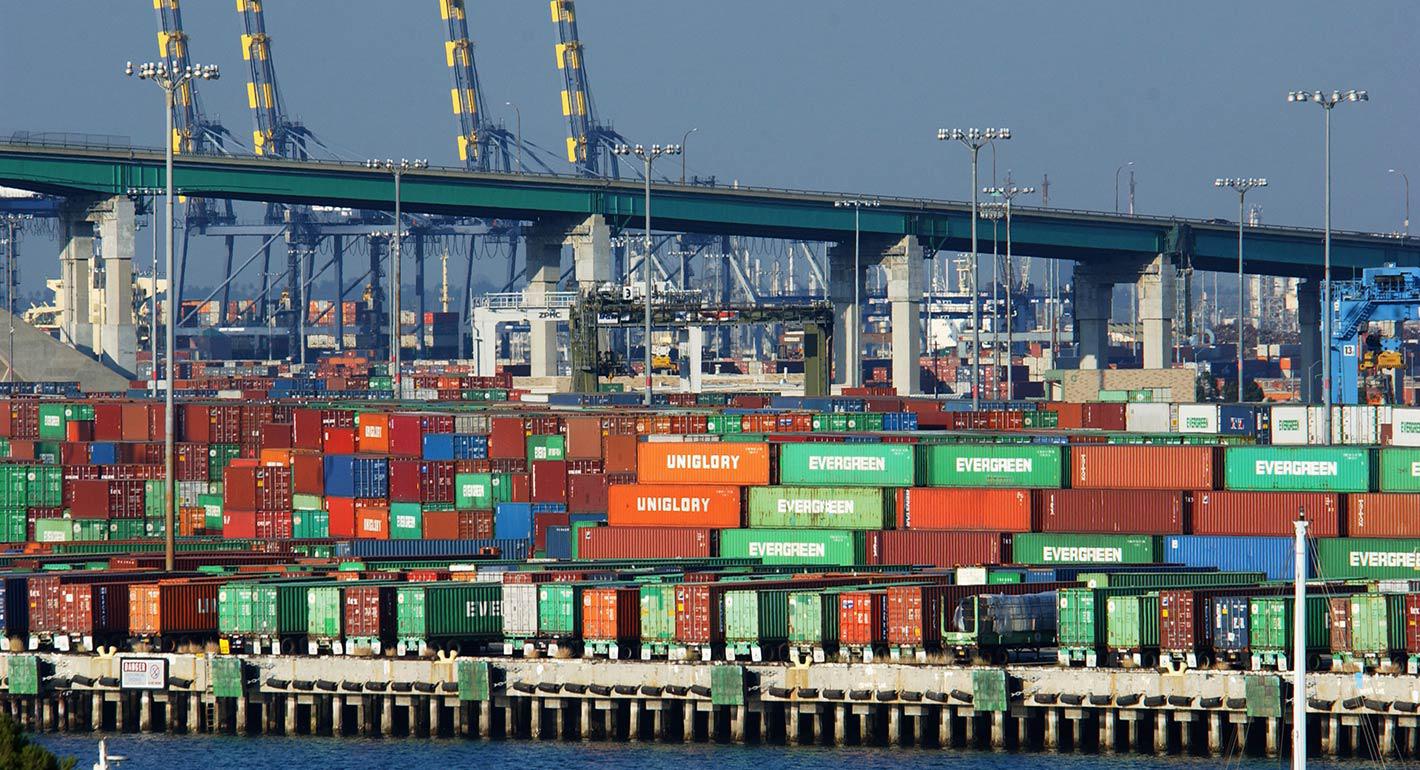
The coronavirus pandemic has forced countries to close their borders to contain the spread of the virus. This has restricted the flow of goods and people, thereby exerting debilitating pressures on global supply chains.
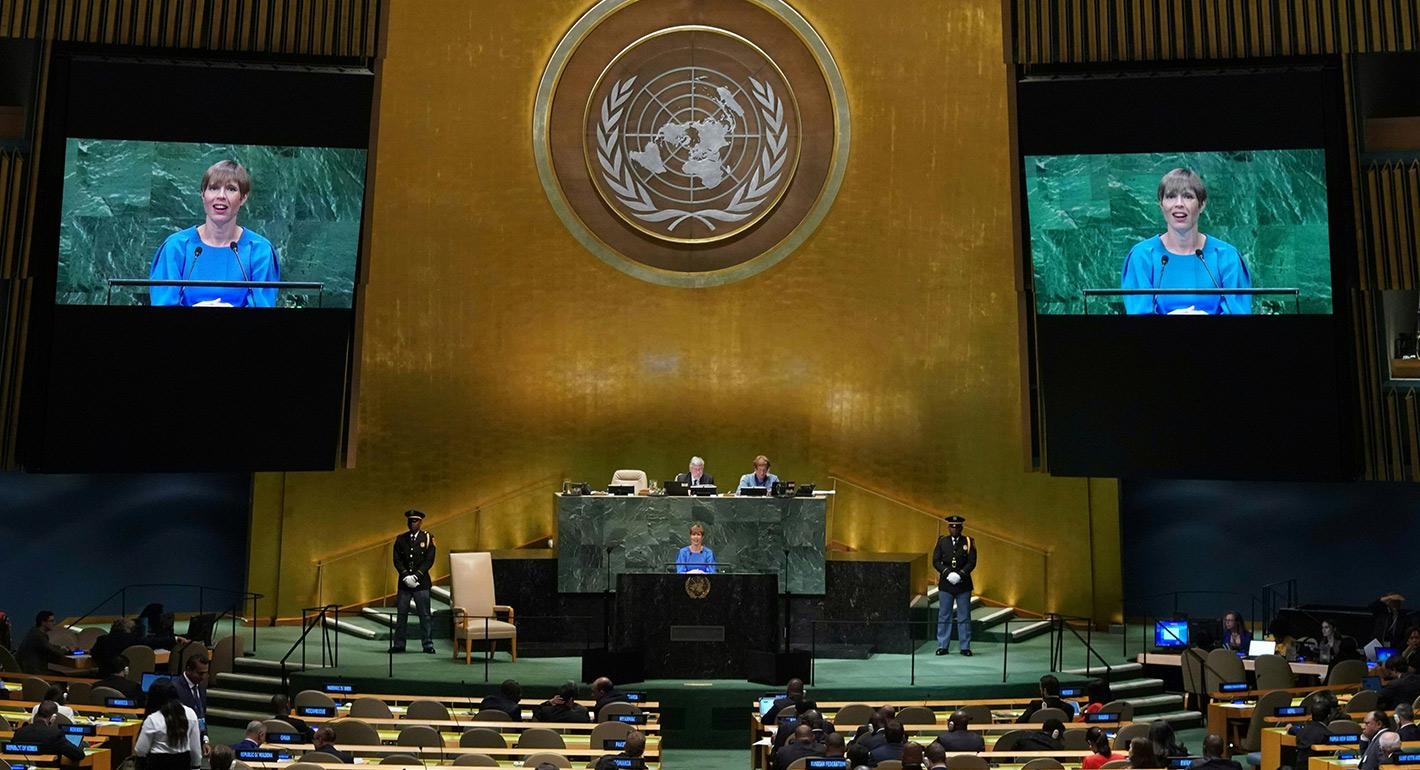
Join us for a timely conversation on the implications of the global pandemic response on cybersecurity, privacy, and democracy with Estonian President Kersti Kaljulaid and New York Times national security correspondent David Sanger.

What can we expect from consumers after the COVID-19 pandemic?
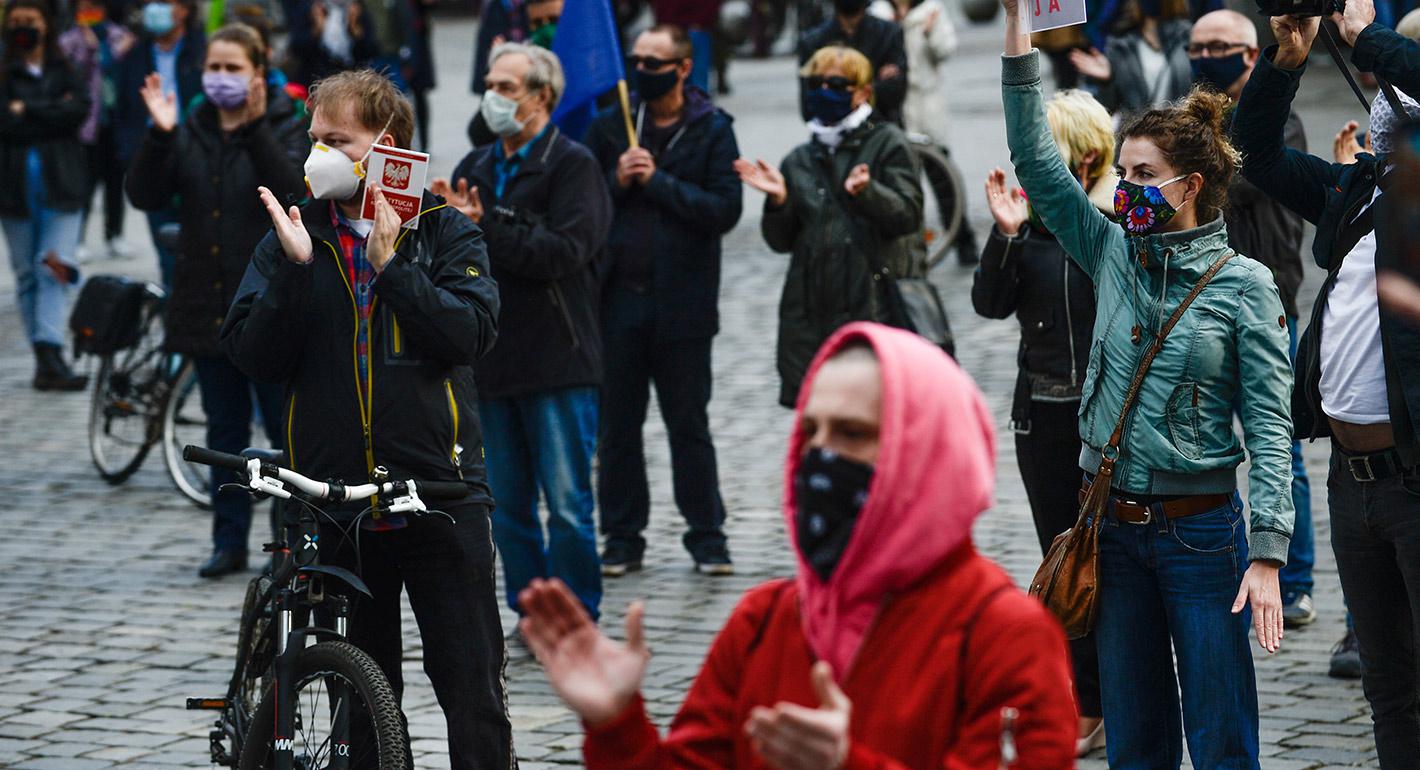
Government responses to the coronavirus are disrupting civil society around the world. But the pandemic is also catalyzing new forms of civic activism. Members of Carnegie’s Civic Research Network share their insights.

Confronted by the deadly threat of the coronavirus pandemic, governments are focusing resources on managing the virus within their own borders and markedly directing little attention toward an effective international response. Even more striking is the U.S. absence on the international stage.
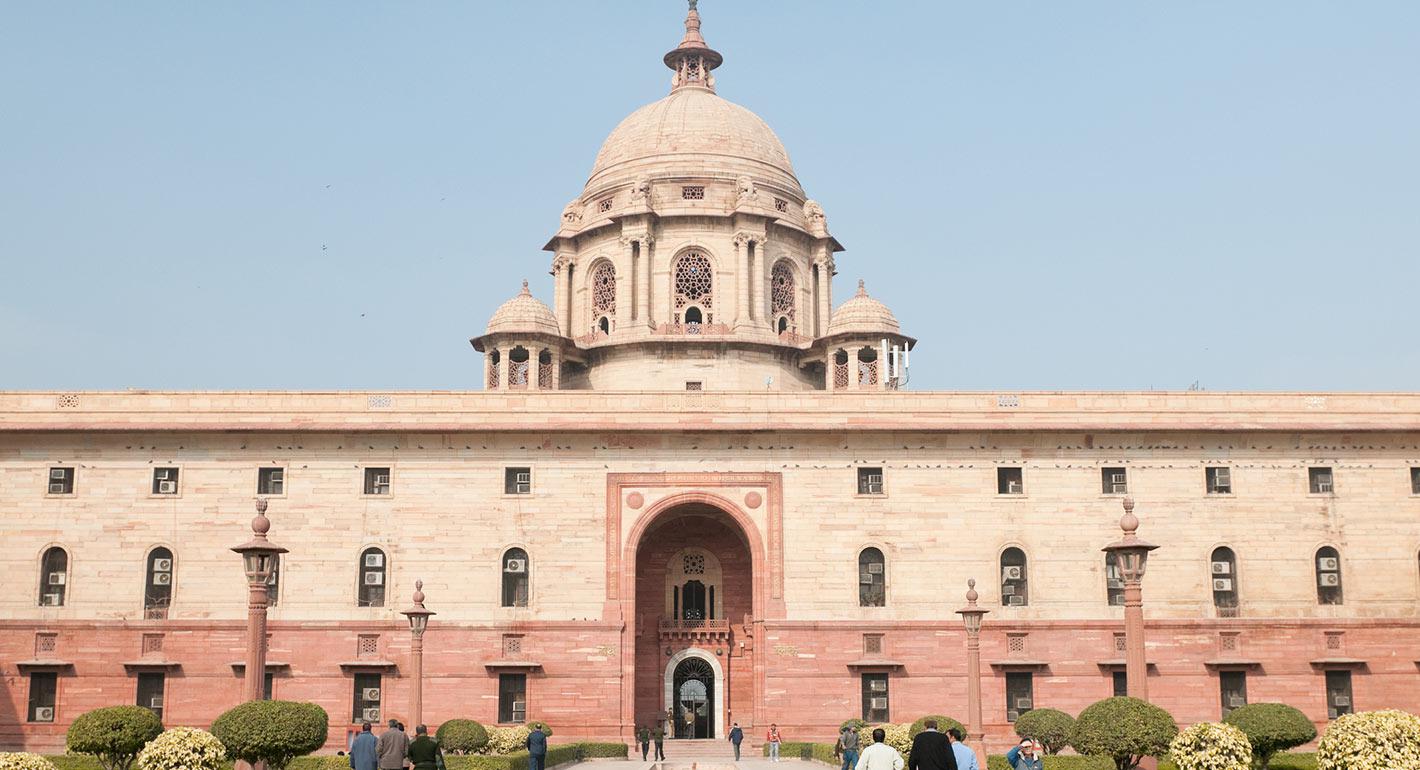
A discussion of India’s battle to contain the novel coronavirus, the Modi government’s latest economic package, and the pandemic’s foreign policy fall-out.

COVID-19 creates specific challenges for Muslim religious authorities pertaining to assembly, practice, and policy. With public health measures affecting Muslim worshippers the most during the month of Ramadan, authorities must answer questions from individual citizens and political actors alike.

The ongoing coronavirus pandemic has simultaneously exacerbated economic competition between countries, while also creating unique opportunities for countries to work together and lead multilateral responses to tackle the challenges stemming from the disease.
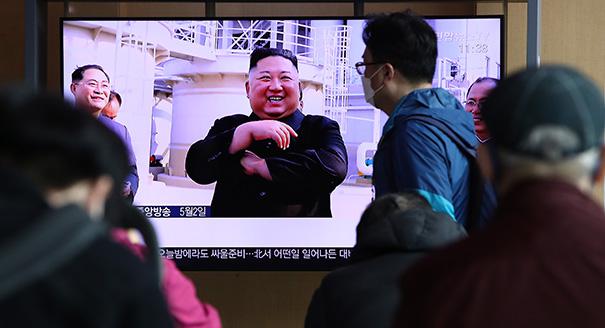
As nations confront the pandemic, rumors of Kim Jung-un’s death and a flurry of North Korean missile tests injected even more uncertainty in the international landscape. How do views in Washington, Seoul, and Beijing differ or align on North Korea?

The decades-old debate between governments and key tech companies over encryption has flared up again. How can we have a more constructive debate about encryption? What issues should be prioritized?