Carnegie Moscow Center

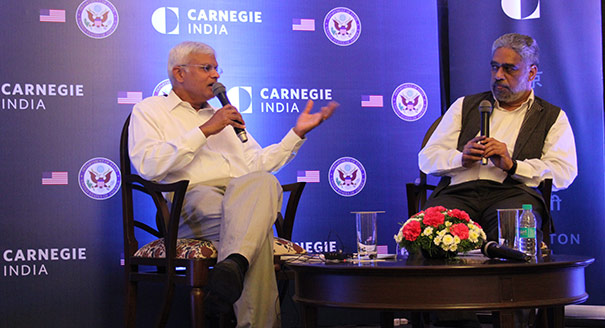
In the grander scheme of things, President Obama has been generally successful in crafting policy that balanced his own philosophical convictions with the national mood without compromising on the U.S. commitment to the international community.
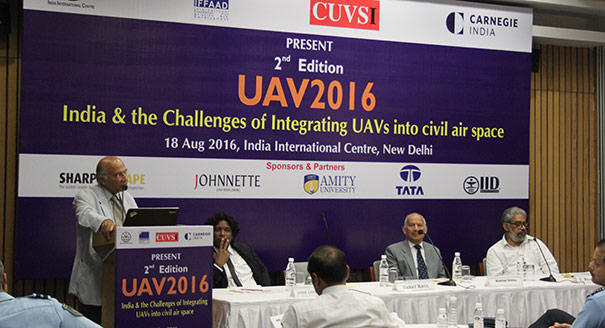
The Indian Directorate General of Civil Aviation has released draft guidelines regarding the commercial use of drones.
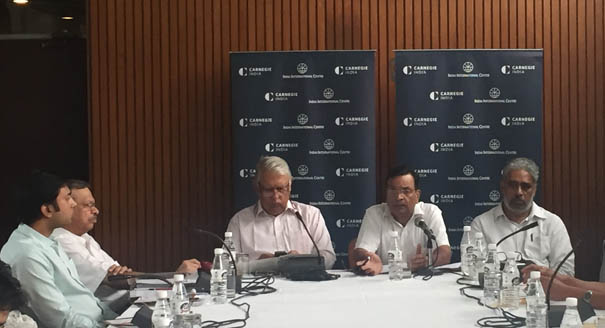
Illegal immigration from Bangladesh has been a key issue for India and has become a focal point in the 2016 assembly election in Assam.
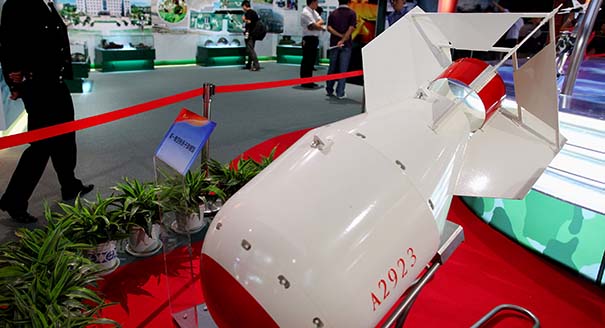
China has traditionally held a policy of no-first-use for its nuclear arsenal, a position that the country sees as a means of reducing the risks of nuclear conflict.

Charles Clover depicts the intellectual ferment that has brought provocative strands of Russian nationalism at the heart of the Kremlin’s policymaking apparatus under Vladimir Putin.
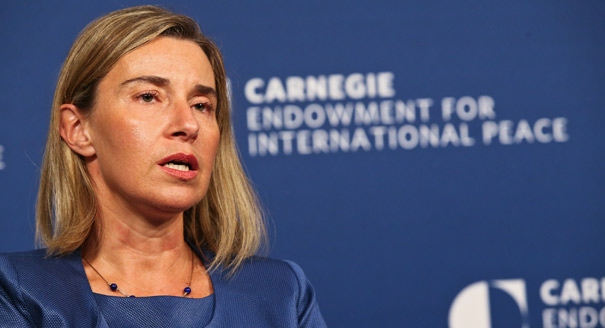
The Carnegie Endowment for International Peace hosted an in-depth session on the European Union’s new Global Strategy. The session featured a presentation by EU High Representative for Foreign Affairs and Security Policy Federica Mogherini.
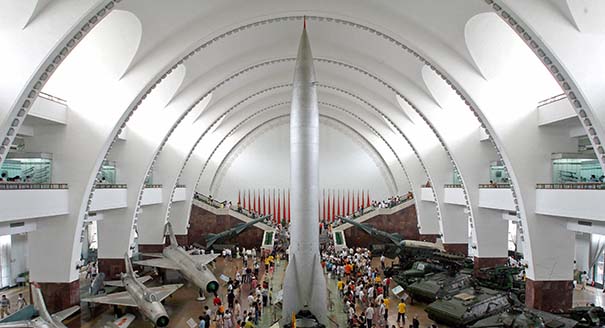
As new technologies challenge the notions of nuclear balancing and strategic deterrence, experts are examining policy measures to address the matters that may arise with these new capabilities.
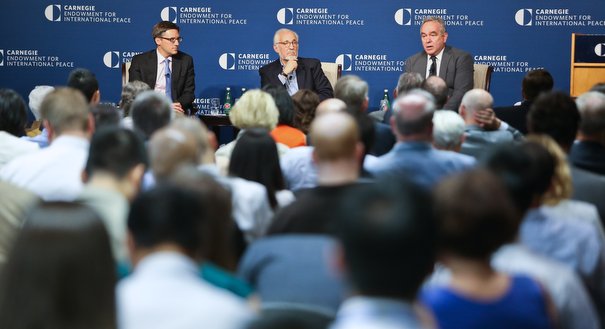
The Carnegie Endowment for International Peace hosted a conversation with Kurt Campbell and Derek Chollet about Obama’s foreign policy doctrine and, in particular, his rebalance toward the Asia-Pacific.
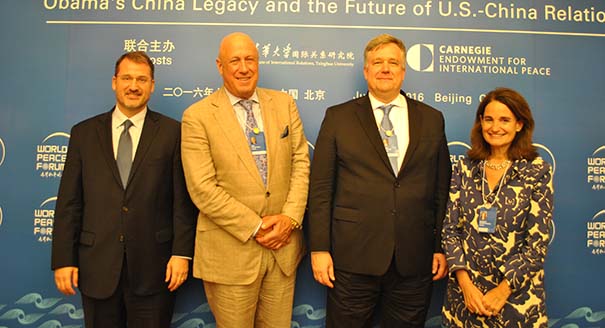
President Barack Obama’s pivot to Asia has been a keystone of his administration, but questions linger over its impact on the region and the U.S.-China relationship.

Former state councilor Dai Bingguo and former deputy secretary of state John D. Negroponte discussed the situation in the South China sea ahead of the July 12 arbitration ruling between the Philippines and China.